

NORTH SCOTTSDALE'S PRIVATE PERSONAL TRAINING STUDIO
TRANSFORM YOUR LIFE WITH PERSONALIZED TRAINING THAT BOOSTS FITNESS, CONFIDENCE and WELL-BEING
FILL OUT THE FORM
TO RECEIVE YOUR FREE PERSONAL TRAINING SESSION! AND START YOUR ACTIVE LIFE STYLE TODAY!
ABOUT US
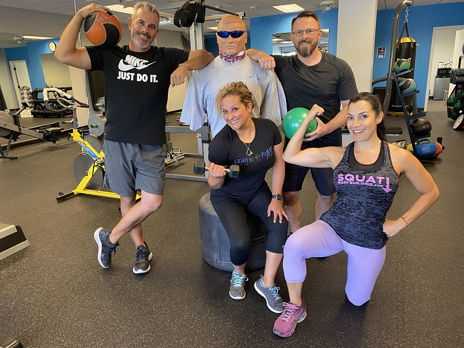
THE CORE FITNESS AZ METHOD IS A COMPLETE FITNESS TRAINING PROGRAM DESIGNED TO GET YOU INTO GREAT SHAPE WHILE MINIMIZING YOUR RISK FOR INJURY.
A strong functional core enhances golf, longevity, and everyday life!
Core Fitness AZ can transform your life in profound ways. By strengthening the muscles in the abdomen, back, and pelvis, Core Fitness AZ enhances overall stability and balance. This improvement translates into everyday activities becoming easier and safer, reducing the risk of falls and injuries. With a strong core, you can experience less back pain and discomfort, enabling you to enjoy life with less physical hindrance.
See More:
FIT FOR YOUR SCHEDULE

NO LONG-TERM CONTRACTS

GET
STRONGER

TIME EFFICIENT WORKOUTS

LOSE
WEIGHT

HEALTHY
HABITS

HAVE MORE ENDURANCE

BETTER
BALANCE
BETTER
FLEXIBILITY

PLAY BETTER
GOLF

KEEP UP WITH YOUR GRANDCHILDREN

INCREASE
DISTANCE

HAVE FUN WHILE YOU WORKOUT

MORE
MOBILITY

QUICKER ON THE COURT

LIVE BETTER AND ENJOY LIFE

SERVICES
AT CORE FITNESS AZ WE FOCUS ON PROVIDING A PERSONAL TOUCH. WE HAVE THE FOLLOWING PROGRAMS THAT WILL GET YOU THE RESULTS THAT YOU ARE LOOKING FOR.
PERSONAL TRAINING
Personal training offers tailored workout plans that align with individual fitness goals, ensuring effective and efficient results. With the guidance of a professional trainer, you can learn proper techniques to avoid injuries and maximize performance.
LONGEVITY TRAINING
Regular physical exercise is a key factor in promoting longevity by improving cardiovascular health & reducing the risk of chronic diseases such as diabetes, heart disease, and certain cancers.
SENSIBLE WEIGHT LOSS PROGRAM
A sensible weight loss program focuses on creating a sustainable balance between healthy eating, regular physical activity, and behavioral changes.
FITNESS FOR GOLF PERFORMANCE
Fitness can significantly enhance golf performance by improving stability, balance, mobility, strength and power during your swing.
25 YRS
SERVING NORTH
SCOTTSDALE
TOP10
7 YEARS IN A ROW
BY RANKING ARIZONA
100's
OF SATISFIED
CLIENTS
LOCATION
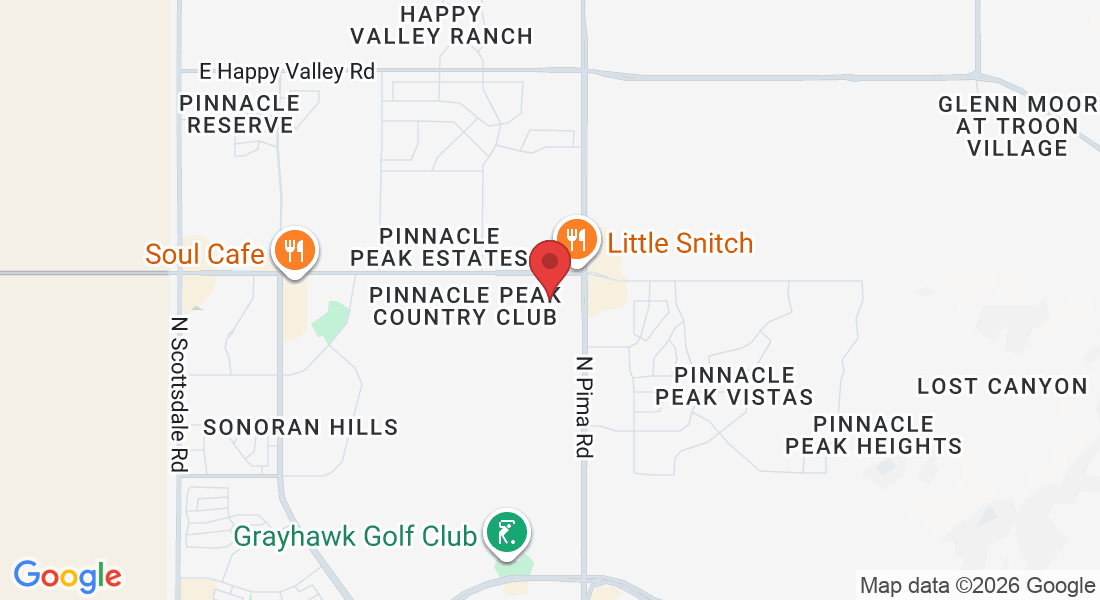
WE ARE CONVENIENTLY LOCATED IN NORTH SCOTTSDALE NEAR PINNACLE PEAK AND PIMA, BEHIND THE GENERAL STORE GAS STATION
El Presidio Building
8700 E. Vista Bonita, Ste 170
Scottsdale, AZ 85255
📞 +1 480-620-3000
SOCIAL PROOF
HAPPY CLIENTS ARE THE BEST PART OF WHAT WE DO!

CORE FITNESS offers multiple small group time opportunities that allow me to fit into my busy schedule. The small groups (under 10 people) allows the PT to focus on me to be certain I'm doing the exercises properly to get the best results....
KATHY

I Joined Core Fitness about 9 mos ago after I was referred by a friend. Cory & his staff are the perfect mix of professionalism & fun. The workouts are enjoyable & tough all at the same time! I have seen results including both weight loss....
KIM

I was actually looking for a place that I could work out & feel comfortable since I haven't worked out in years. We stopped by on a Saturday morning and talked to Cory. My husband was so impressed that he decided......
MEG
EXPERIENCE PERSONALIZED FITNESS
EXCELLENCE AT CORE FITNESS AZ
At Core Fitness AZ, we offer personalized workout programs designed to help you achieve your fitness goals efficiently and safely. Our state-of-the-art facility and experienced trainers provide the support and motivation needed to maximize your results. By choosing Core Fitness AZ, you're not just joining a gym; you're becoming part of a community dedicated to helping you live a healthier, active lifestyle.
Copyright © Core Fitness AZ 2026
Privacy Policy | Terms of Use and Service